


Cuisine and Empire
- Feb 10, 2018
- 3 min read

I love southern California. The best thing, other than the nearly perpetual summer, must be the food diversity. I can step into my nearby shopping center and eat a Dutch pastry for breakfast, Mediterranean falafels for lunch, and top it off with Japanese ramen for dinner. The plethora of food does have its disadvantages, as a greater variety of food tends to lead to obesity when quantity goes unchecked. However, it gives us an opportunity to experience and enjoy other cultures in our daily lives.
Sometimes though, people claim not wanting to eat anything foreign or harbor a resentment for “non-American” cuisines either due to dislike of unfamiliar tastes or simple xenophobia. When I crave American food, I think of apple pies and mashed potatoes. People love to eat fried chicken and biscuits, steaks and coleslaw, hamburgers and fries at American steakhouses and diners. But then I realize that none of the dishes originated from the Americas; or at least, none would be considered purely American so to speak. As a matter of fact, even a meal that invokes an image of a southern home-cooked dinner as much as field peas, country ham, and peach cobbler contains ingredients never seen in the Americas before the transatlantic exchange and likely never would have existed without the infusion of immigrant cultures.

Food culture has evolved over millennia largely through the expansion of empires, for as people assimilated to new dominions, they brought with them their culinary traditions and blended the new with the old, introducing new ingredients old recipes and using revolutionary techniques on their local harvest.
American cuisine tends to be the most popular example of this effect, the nation being the “melting pot” of cultures, due in parts to the slave trade, imperialism, and mass immigration that contributed to the culmination of the United States’ economic empire. Creole food is perhaps the best example of where cultures collide to create something truly extraordinary.
Rice, the staple of every creole meal, was brought to Europe from Asia via the soldiers of Alexander the Great’s Macedonian empire and from the Middle East and Africa when the Moors took over the Iberian Peninsula and the Muslims traded with Sicily. The rice usage spread throughout Europe and then expanded with British, Spanish, French, and Portuguese exploration and colonization into the Americas. Jambalaya, a descendent of the Spanish Paella, adapts the European dish to ingredients available in the bayou and adds spices found in the Americas as identified by the Spanish, such as the bay leaf.

While some bean species were native to the Americas, it was colonial expansion that allowed the south to utilize the versatile ingredient. The Monday meal of red beans and rice (seen above) would not have been possible without rice nor if the Arcadians from Brittany had not brought over their red and white beans during French expansion. Hoppin’ John (cowpeas and rice) is an economical dish that utilizes black eyed peas brought to the West Indies with the Igbo people of Nigeria. It was popularized through the slave trade, an aberration of the European and American empires, as the simple meal was often fed to the slaves and cattle before it became common in Southern households. Another influence of African cuisine is the Cajun gumbo which comes from the Surinamer word for okra.
And so, the Germans brought their sausage making skill, the Scottish brought their tendency to fry everything including the chicken, the English introduced their full course breakfasts, the French imposed their superior technique with stocks and desserts, the Africans brought a wealth of ingredients, and the Native Americans found a way to integrate their own traditions, like deep-pit barbequing, squash, and corn, with the dizzying influx. Even with a lack of ingredients or a difference in technique, the Creole cuisine, as well as “American” cuisine, developed a wealth of flavors and history. And thus, while empires have their pros and cons (the least to say about the slave trade that contributed so heavily upon American food, music, and clothing culture), one thing can be said for certain: the food connoisseurs have benefitted greatly from the expansion of empires.
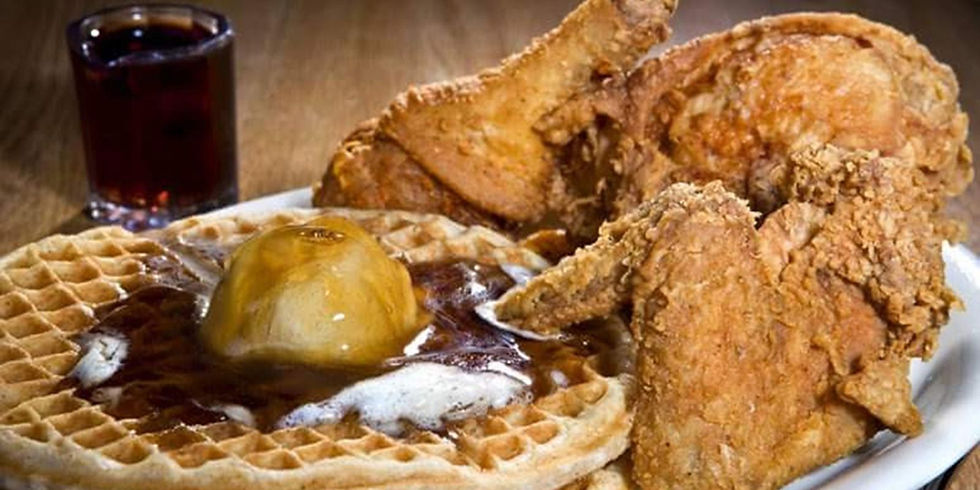
P.S. At this point I'm just putting in pictures of food to make you hungry enough to personally try out some cultural infusion for size (is it working?).
Works cited
https://ebookcentral.proquest.com/lib/uci/reader.action?docID=1390810&query=
https://en.wikipedia.org/wiki/Cuisine_of_the_Southern_United_States
http://www.louisianatravel.com/articles/cajun-vs-creole-food-what-difference
https://en.wikipedia.org/wiki/Rice#Regional_history
Images
https://www.finedininglovers.com/blog/food-drinks/best-foods-in-america/
http://www.bravotv.com/blogs/heres-where-to-find-nashville-hot-chicken-and-other-fabulous-southern-foods-up-north
https://www.camelliabrand.com/recipes/slow-cooker-creole-chicken-and-red-bean-gumbo/
Comments